Lara Ljubičić on media, Big Tech, and AI
Audiences increasingly discover media content through search engines, social media, and generative AI tools. At the same time, AI models are being trained on millions of texts, including news articles, while their authors and publishers often don’t even know whether their content has ended up in a training dataset.
So who really controls content on the internet today?
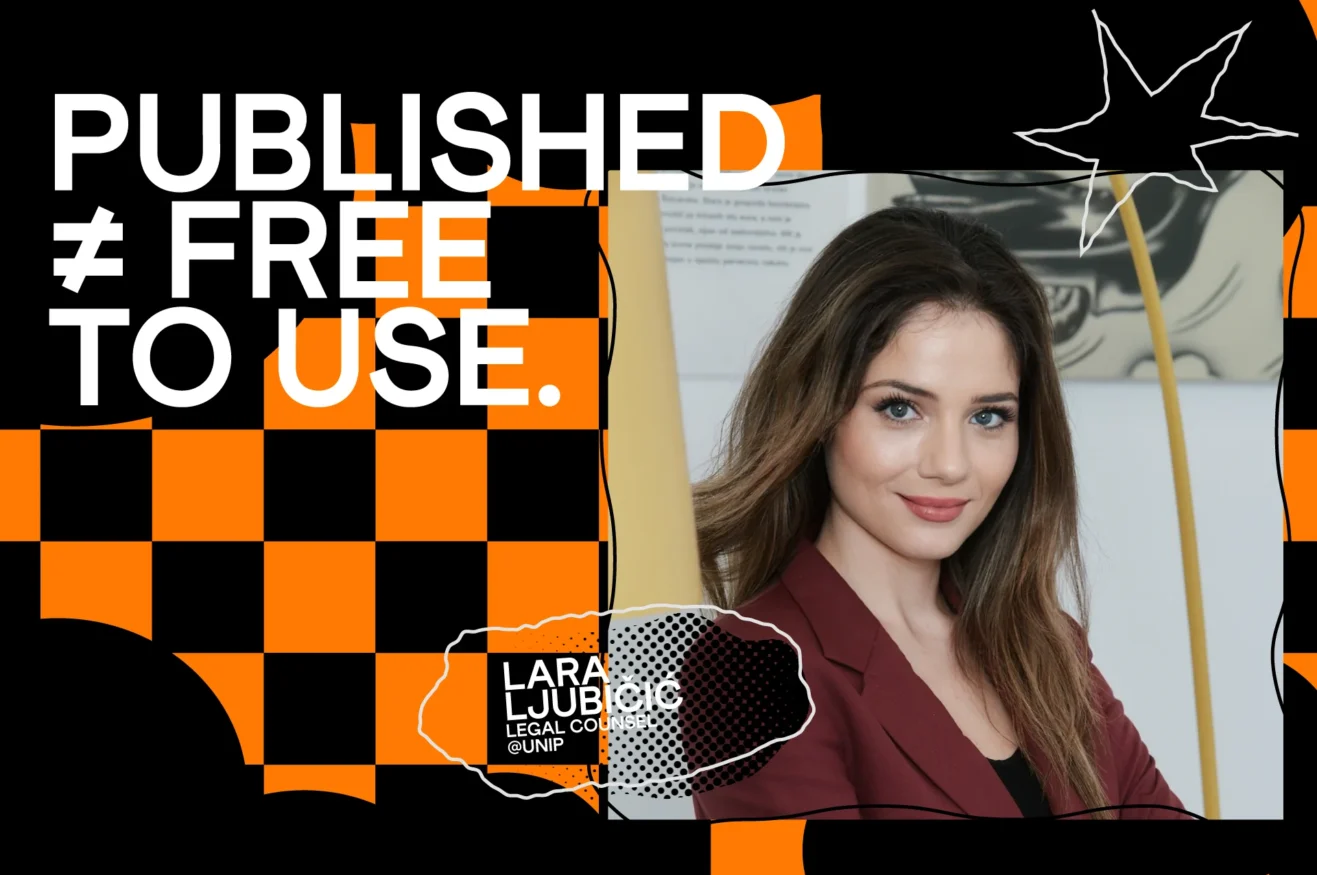
We spoke with Lara Ljubičić, Legal Advisor at the Association of News Publishers (UNIP), about the relationship between major technology platforms and the media, the boundaries of legitimate digital content use, and regulations attempting to keep pace with technology.
She explained why the fact that content is publicly available doesn’t mean it is free to use, how much control authors and publishers really have over where their work ends up, and why generative AI has opened up a whole new set of legal and economic questions.
AI model training presents a particular challenge. Publishers often don’t know whether their content has been collected, which dataset it has ended up in, or which model it has been used to train. Ljubičić therefore points to the need for greater transparency, clearer rules, and fair compensation models.
And for smaller markets such as Croatia, the stakes are even higher.
Read the full interview below.
Got work that deserves a SoMo award?
If you’ve worked on a digital project, campaign, or piece of content over the past year that you believe deserves the industry’s attention, entries for SoMo Borac 2026 are still open.